How Regular Mobile Patrols Protect NSW Businesses After Hours
Featured Companies

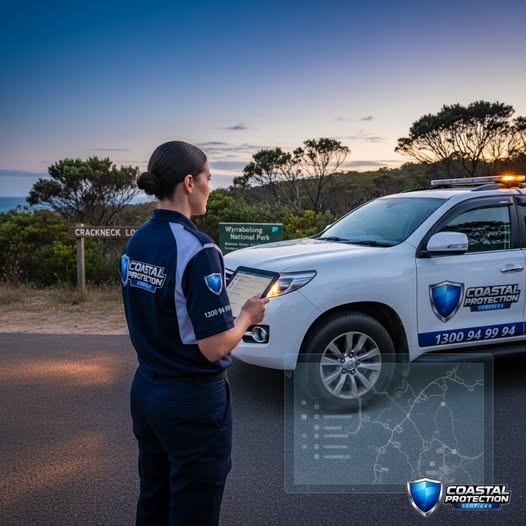
Coastal Protective Services
Professional 24/7 security services on the Central Coast and Newcastle. Mobile patrols, security guards, event security, crowd control & alarm monitoring. Free consultation.
Visit Website- 1. Why After-Hours Businesses Are Vulnerable
- 2. How Mobile Patrols Strengthen Your Security Posture
- 3. Visible Deterrence
- 4. Regular Site Checks
- 5. Rapid Incident Response
- 6. Unpredictable Timing
- 7. Which NSW Businesses Benefit Most from Patrols?
- 8. Why Pairing Patrols with Alarm Monitoring Works Best
- 9. Choosing the Right Patrol Schedule
- 10. A Cost-Effective Alternative to Static Guarding
- 11. Building a Patrol Plan Around Your Site
- 12. Frequently Asked Questions
- 13. How often should a business have mobile patrols?
- 14. Can mobile patrols replace a static security guard?
- 15. What happens if a patrol officer finds a problem at my site?
- 16. Do mobile patrols work with alarm monitoring?
Mobile patrols offer NSW businesses a cost-effective way to deter after-hours crime, respond to alarm activations and protect property without the cost of full-time static guards.
When staff lock up and head home, many NSW businesses become more vulnerable. Offices, warehouses, retail stores and industrial sites left unattended overnight, on weekends and during holiday periods can attract opportunistic crime that costs thousands in damaged property, lost stock and disrupted operations. One of the most practical and cost-effective ways to reduce that exposure is through regular mobile patrol services — uniformed officers in marked vehicles checking your premises at intervals throughout the after-hours window.
For businesses across Sydney and broader NSW, patrols offer something a static alarm alone cannot: an active, visible human presence that deterring offenders before they act, and a trained responder on site if something does go wrong.
Why After-Hours Businesses Are Vulnerable
Most commercial break-ins, vandalism and trespass incidents happen when a property is quiet and unattended. Offenders look for sites with no visible deterrent, poor lighting, unsecured access points and predictable vacancy patterns. Once a property is empty for the night, the risks shift from theft during business hours to break-ins, property damage, and opportunistic loitering that can escalate if left unchecked.
An alarm system is a strong first layer, but it only tells you something has happened. Patrols add the piece that prevents incidents and provides a physical response when it matters most.
How Mobile Patrols Strengthen Your Security Posture
Visible Deterrence
A marked patrol vehicle and a uniformed officer arriving at your premises sends a clear signal that the site is being actively monitored. Opportunistic offenders tend to move on when they see a security presence rather than an easy target.
Regular Site Checks
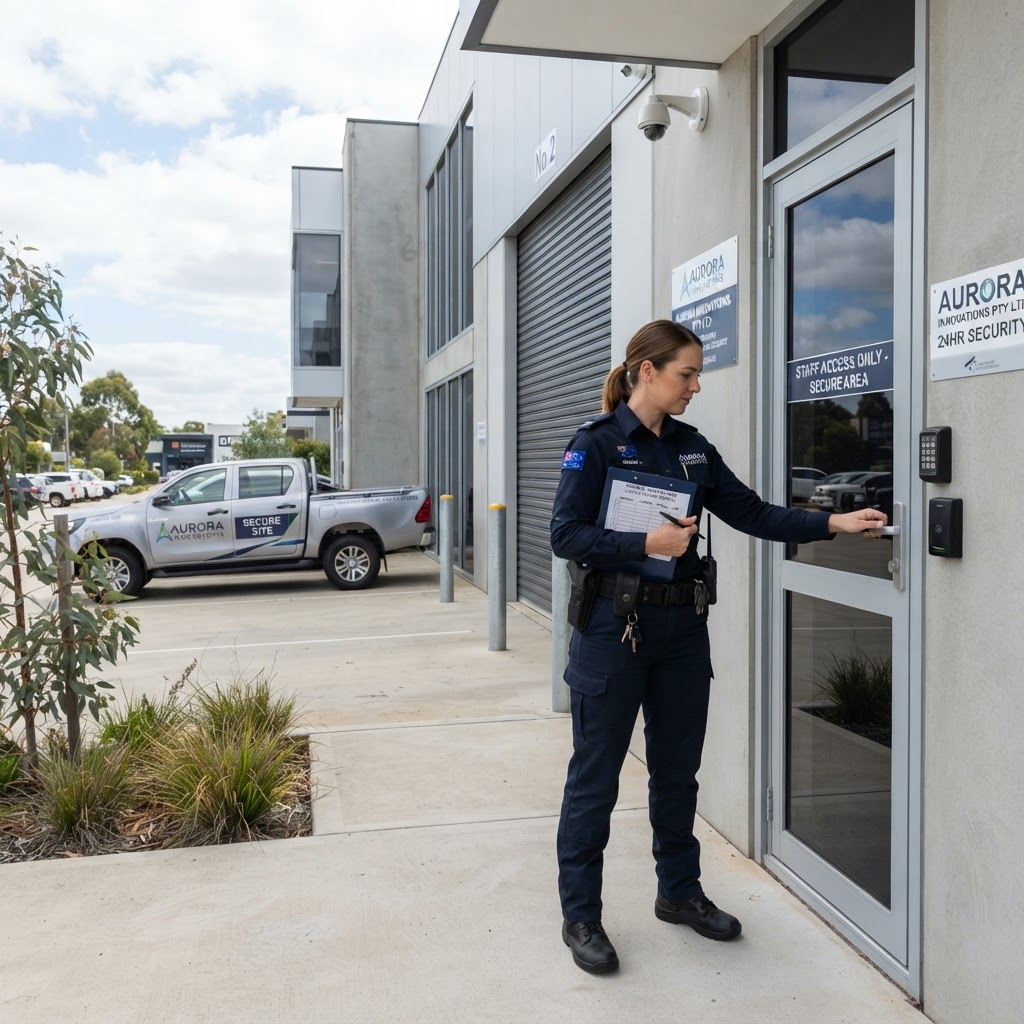
Patrols allow officers to inspect entry points, fences, gates, car parks, loading docks and other vulnerable areas. Spotting a damaged lock, a broken window or an unsecured gate early can prevent a far more costly incident down the line.
Rapid Incident Response
When suspicious activity, property damage or an alarm activation occurs, a patrol officer already in the area can attend promptly, assess the situation, secure the site and escalate to police or emergency services if required. This is far faster than waiting for a keyholder who lives 40 minutes away.
Unpredictable Timing
The most effective patrol schedules randomise visit times so offenders cannot predict when the site will be checked. This unpredictability is one of the strongest deterrents a patrol programme offers — far more effective than a predictable schedule that offenders can work around.
Which NSW Businesses Benefit Most from Patrols?
Mobile patrols suit a wide range of commercial and industrial sites, especially where full-time static guarding is not justified but after-hours protection matters. Common applications include:
- Office buildings and professional suites
- Warehouses and storage depots
- Retail stores and shopping centres
- Industrial premises and manufacturing sites
- Construction sites with valuable plant or materials
- Medical centres and healthcare facilities
- Strata and mixed-use commercial properties
- Vacant or partially occupied premises
Every site has different risks, so the most effective patrol plan is tailored to the property — its size, location, operating hours, access points and the value of what sits inside.
Why Pairing Patrols with Alarm Monitoring Works Best
For many NSW businesses, the strongest after-hours solution combines regular mobile patrol services with professional alarm monitoring. When an alarm activates overnight, a monitoring centre can dispatch the nearest patrol officer to investigate rather than relying on a business owner or manager to drive to the site at 2 am.
This layered approach delivers several benefits:
- Faster response after alarm activation, with a trained officer on site sooner
- Verified incident assessment before emergency services are contacted
- Reduced demand on keyholders and business owners to attend after hours
- Clearer incident reporting with documented site conditions and follow-up notes
- Stronger overall deterrence through both electronic detection and physical presence
Together, monitored alarms and mobile patrols create a more dependable after-hours security strategy than either measure on its own.
Choosing the Right Patrol Schedule
There is no one-size-fits-all answer. The right frequency depends on your site's risk profile and exposure after hours. Factors worth considering include:
- Property size and number of access points
- Location and surrounding crime environment
- Operating hours and when the site sits vacant
- Value of stock, equipment or materials on site
- Whether alarms, CCTV or access control are already in place
- Any previous incidents or near misses
Some businesses need just one or two overnight checks. Others benefit from more frequent randomised patrols during high-risk windows — particularly on weekends and public holidays when sites are empty for extended periods.
A Cost-Effective Alternative to Static Guarding
Not every site justifies the cost of a full-time static guard. For many small and medium-sized businesses across NSW, mobile patrols deliver strong protection at a fraction of the cost. You get visible deterrence, regular site checks and rapid response without the overhead of 24/7 on-site personnel.
For larger properties or higher-risk operations, patrols can complement static guards by covering areas outside the guard's immediate line of sight — perimeter checks, loading docks, car parks and remote sections of the site.
Building a Patrol Plan Around Your Site
Effective security is proactive, visible and adaptable. A property checked only occasionally, or protected by an unmonitored alarm, may still leave gaps that offenders can exploit. Regular patrols with randomised timing close those gaps and make your site a harder, less predictable target.
If your business could benefit from after-hours protection, a licensed security provider can assess your premises, recommend an appropriate patrol schedule and build a plan around your actual risk profile — not a generic template.
Frequently Asked Questions
How often should a business have mobile patrols?
It depends on the property's size, location, operating hours and risk level. Some sites need one or two checks overnight; others benefit from more frequent randomised patrols. A licensed provider can recommend the right schedule after a site assessment.
Can mobile patrols replace a static security guard?
For many small to medium businesses, patrols provide effective after-hours protection without the cost of full-time guarding. Higher-risk or larger sites may benefit from combining patrols with a static guard for maximum coverage.
What happens if a patrol officer finds a problem at my site?
The officer assesses the situation, secures the site where possible, documents what they found with photos and notes, and escalates to emergency services or the nominated keyholder if required. You receive a detailed incident report.
Do mobile patrols work with alarm monitoring?
Yes. When an alarm activates, a monitoring centre can dispatch the nearest patrol officer to investigate. This gives you verified on-site assessment and faster response than relying on a keyholder to attend.

Written by
Susan Blenman
SEO Analyst
Susan Blenman has worked in the security industry since 1993, sharing trusted insights and real-world expertise on security systems, technology, and protection strategies.
Stay informed
Get the latest security insights, guides, and company spotlights delivered to your inbox.
Related Articles

Sponsored

Ajax Alarm Systems: Wireless, App-Controlled & Pet-Friendly Security
Smart, Stylish Security for Homes & Small Business Protect what matters with the Ajax wireless alarm ecosystem—fast to install, easy to use, and ready for smartphone control. Choose pre-built kits or build your own with motion, door/window, glass break, sirens, keypads and more.

Protect Your Property After Hours
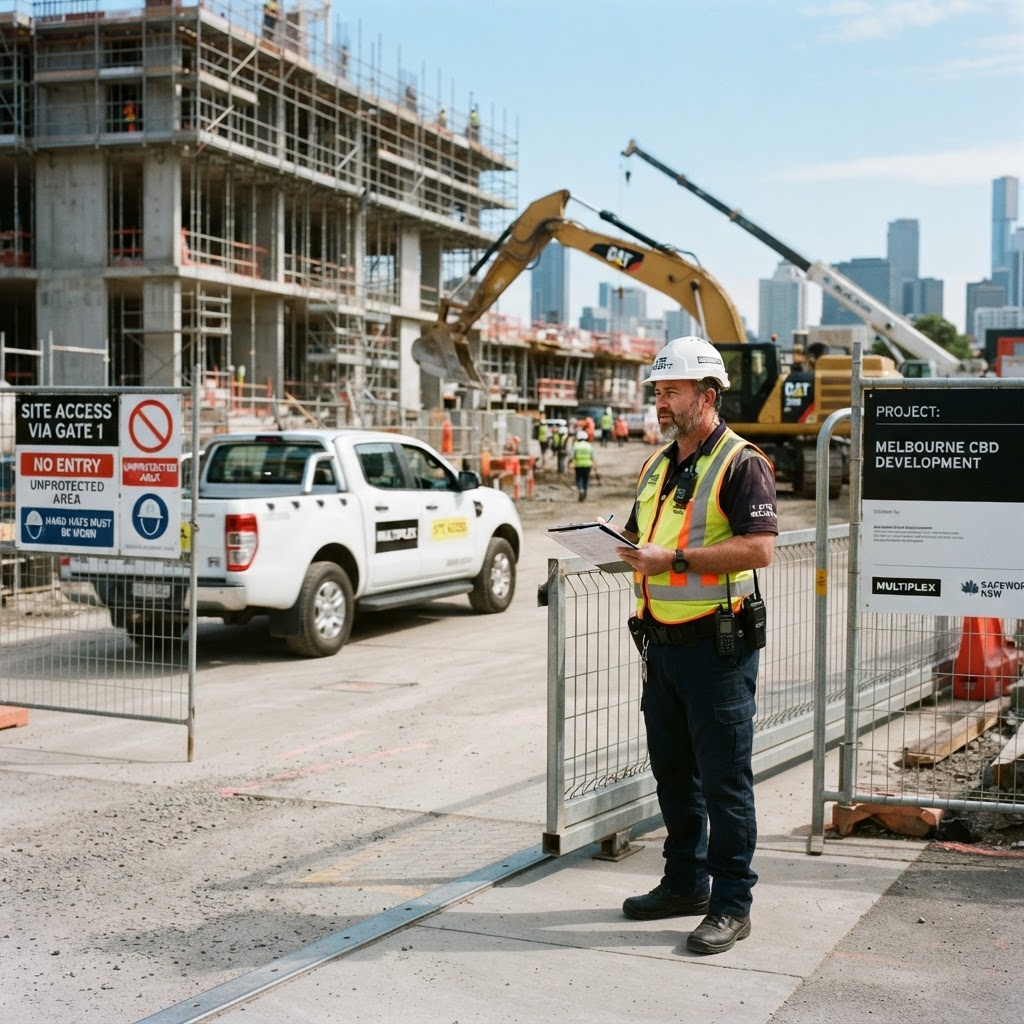
Keep your business, site or facility secure with professional mobile patrols from Partisan Protective Services. Our trained security officers provide visible deterrence, scheduled checks and rapid response to help reduce theft, vandalism and unauthorised access.

Bosch Solution 6000 Security
Ideal for Larger home or Businesses