Alarm Monitoring vs Self-Monitoring: What Central Coast Property Owners Need to Know
Featured Companies

Coastal Protective Services
Professional 24/7 security services on the Central Coast and Newcastle. Mobile patrols, security guards, event security, crowd control & alarm monitoring. Free consultation.
Visit Website- 1. What Is Professional Alarm Monitoring?
- 2. What Is Self-Monitoring?
- 3. Response Speed: Professional Wins Every Time
- 4. Reliability: Removing the Single Point of Failure
- 5. After-Hours Commercial Risk
- 6. Insurance Implications
- 7. Cost: Closer Than You Think
- 8. Which Is Right for Your Property?
Should you rely on professional alarm monitoring or self-monitor your Central Coast property? We compare both options so you can make the right choice.
What Is Professional Alarm Monitoring?
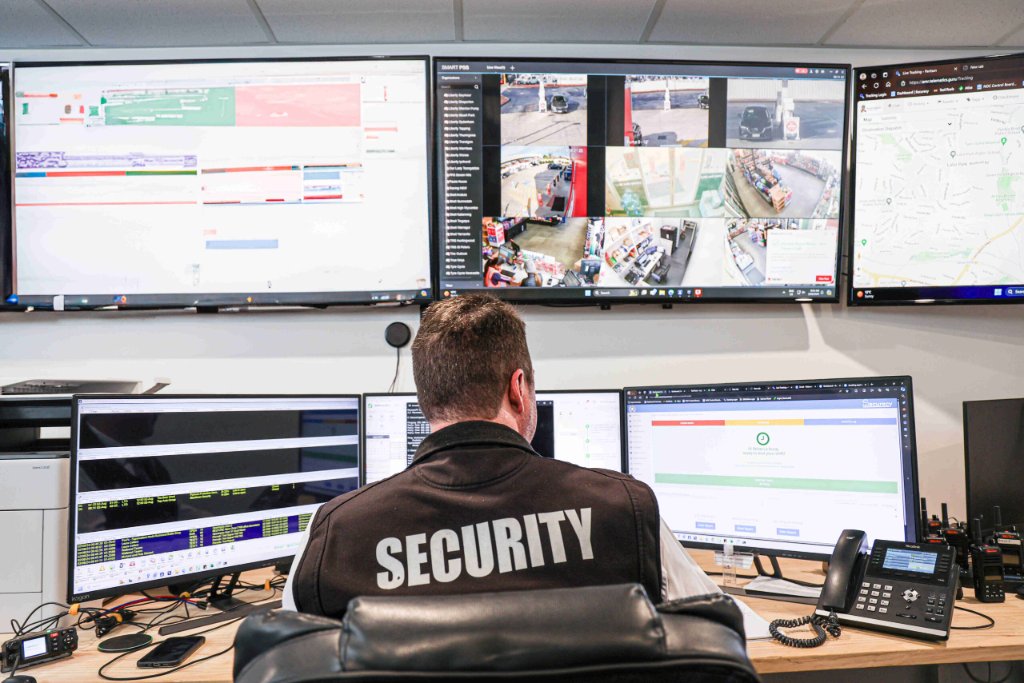
Professional alarm monitoring means your security system is connected to a 24/7 staffed monitoring centre. The moment your alarm activates — whether it's 3am on a Sunday or Christmas Day — a trained operator receives the signal, verifies the event, and coordinates a response.
The monitoring centre doesn't need you to be awake, available, or even in the country. They act on your behalf immediately, dispatching a mobile alarm response officer or notifying emergency services as required.
What Is Self-Monitoring?
Self-monitoring means your alarm system sends a push notification directly to your smartphone when an event occurs. It puts the entire burden of response on you — you must see the alert, wake up, assess the situation, and decide what to do, all while potentially being kilometres away or in the middle of the night.
For light, low-risk monitoring scenarios — a holiday home you visit regularly, or a property with very low-value contents — self-monitoring may be adequate. For most homes and businesses on the Central Coast, it leaves too many gaps.
Response Speed: Professional Wins Every Time
Monitoring centres respond to alarm signals within seconds. A trained operator is already working — they are not asleep, distracted, or dealing with something else. Compare this to the reality of self-monitoring:
- You may be asleep and not hear the alert
- Your phone may be on silent, flat, or in another room
- You may receive the notification minutes after the event
- You then need to assess, decide, and contact help — adding further delay
In the context of a break-in or property intrusion, these delays matter enormously. The average residential burglary takes under 10 minutes. A slow response can mean the difference between catching an intruder and arriving to find an empty, damaged property.
Reliability: Removing the Single Point of Failure
Self-monitoring has a fundamental flaw: you are the single point of failure. If you can't respond — for any reason — your property is unprotected.
Professional monitoring removes this risk entirely. The monitoring centre is staffed continuously. There is always someone watching, always someone ready to act. Even if your keyholder is unavailable, the operator has the protocols and contacts to escalate appropriately.
After-Hours Commercial Risk
For businesses, the risk gap with self-monitoring is even more significant. Commercial break-ins predominantly occur after hours. If you are a business owner relying on a phone notification at 2am, consider:
- How quickly can you actually respond?
- Are you trained and prepared to attend a potentially active scene?
- Do you have a plan if emergency services take time to arrive?
A professionally monitored system with a rapid patrol response means a trained, licensed officer is on their way before you've even rolled over in bed. Learn more about how the alarm response process works from trigger to resolution.
Insurance Implications
Many Australian insurers recognise the difference between monitored and unmonitored alarm systems. Properties with professionally monitored alarms may qualify for reduced premiums or improved coverage terms. In the event of a claim, your insurer may also ask for evidence of your security arrangements — and a monitoring certificate carries weight that a self-monitored app notification cannot provide.
Before assuming self-monitoring is sufficient, check your policy wording carefully. Some commercial policies specify minimum security standards that require professional monitoring.
Cost: Closer Than You Think
One of the most common reasons property owners opt for self-monitoring is cost. But professional monitoring on the Central Coast is typically more affordable than people expect — especially when you factor in the value of what you're protecting and the potential cost of a successful break-in.
When you add up theft losses, damage repair, insurance excess, and business downtime, the annual cost of professional monitoring often looks very reasonable by comparison.
Which Is Right for Your Property?
If you are protecting a high-value home, a business with stock or equipment, or any property where after-hours intrusion would cause serious financial or personal harm — professional monitoring is the clear choice.
Coastal Protection Services provides 24/7 professional alarm monitoring with rapid mobile patrol dispatch across the full Central Coast and Newcastle region. Contact our team for a free consultation and honest advice on the right solution for your property.

Written by
Susan Blenman
SEO Analyst
Susan Blenman has worked in the security industry since 1993, sharing trusted insights and real-world expertise on security systems, technology, and protection strategies.
Stay informed
Get the latest security insights, guides, and company spotlights delivered to your inbox.
Related Articles


Sponsored

Ajax Alarm Systems: Wireless, App-Controlled & Pet-Friendly Security
Smart, Stylish Security for Homes & Small Business Protect what matters with the Ajax wireless alarm ecosystem—fast to install, easy to use, and ready for smartphone control. Choose pre-built kits or build your own with motion, door/window, glass break, sirens, keypads and more.

Protect Your Property After Hours
Keep your business, site or facility secure with professional mobile patrols from Partisan Protective Services. Our trained security officers provide visible deterrence, scheduled checks and rapid response to help reduce theft, vandalism and unauthorised access.

Bosch Solution 6000 Security
Ideal for Larger home or Businesses